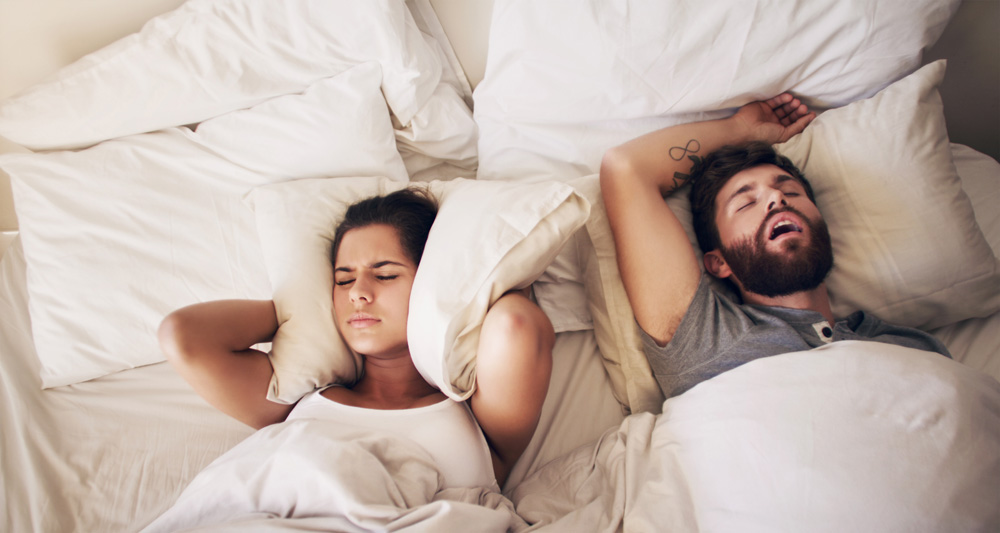
If you snore loudly or wake up exhausted, you may have obstructive sleep apnea — a condition that affects your energy, focus, and long-term health. Hilltop offers a comfortable, dentist-made solution.
A dentist-made alternative to CPAP
The American Academy of Sleep Medicine recommends oral appliance therapy as a first-line treatment for mild-to-moderate obstructive sleep apnea, and for patients with severe OSA who can’t tolerate a CPAP machine. Because they’re comfortable and easy to use, oral appliances also tend to have better long-term adherence than CPAP — research puts oral-appliance non-adherence around 10–24%, compared with up to 50% for CPAP.
The custom appliance gently positions your jaw to keep your airway open while you sleep.
Why patients choose an oral appliance
- Comfortable & quiet — no mask, hose, or machine
- Travel-friendly — small enough to take anywhere
- Better sleep, better health — improved energy, focus, and heart health
What to expect
We review your sleep history (and any sleep study results), take impressions for a custom appliance, and fine-tune the fit for comfort. Then we follow up to make sure you’re sleeping — and feeling — better.
Sources: American Academy of Sleep Medicine (AASM); peer-reviewed research on oral appliance therapy adherence.
We proudly serve Casper, WY and the surrounding communities of Mills, Evansville, Bar Nunn, and Glenrock.
Frequently Asked Questions
Can a dentist really treat sleep apnea? +
Yes. The American Academy of Sleep Medicine recognizes custom oral appliances as a first-line treatment for mild-to-moderate obstructive sleep apnea, and as an option for CPAP-intolerant patients.
Is an oral appliance better than CPAP? +
For many patients with mild-to-moderate sleep apnea, an oral appliance is just as effective and much easier to tolerate — which means people actually use it. CPAP may still be best for severe cases.
Do I need a sleep study first? +
A sleep study confirms the diagnosis and severity. We’re happy to coordinate with your physician or sleep specialist.
Will my insurance cover an oral appliance? +
Many medical insurance plans cover oral appliance therapy for diagnosed sleep apnea. We’ll help you understand your coverage.
How do I know if I have sleep apnea? +
Loud snoring, gasping or choking during sleep, morning headaches, and daytime exhaustion are common signs. If that sounds familiar, talk to us — and your physician.