Snoring or Always Tired? How a Dentist Can Treat Sleep Apnea in Casper
Obstructive sleep apnea hurts your energy and health. Learn the signs, and how a custom oral appliance from Hilltop Family Dentistry in Casper can help — a comfortable CPAP alternative.
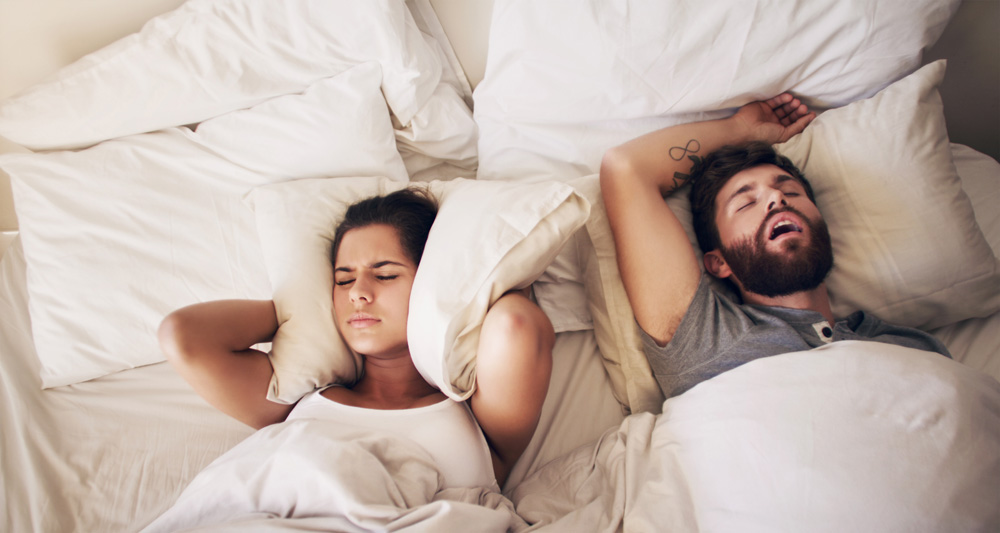
If you snore loudly, wake up gasping, or drag through the day exhausted no matter how long you were in bed, the cause may be obstructive sleep apnea (OSA) — and your dentist may be able to help.
What is obstructive sleep apnea?
OSA happens when the soft tissues at the back of your throat relax and collapse during sleep, briefly blocking your airway over and over through the night. Each pause pulls you out of deep sleep — so you never feel truly rested. Left untreated, sleep apnea strains your heart and is linked to high blood pressure, daytime fatigue, and more.
The signs to watch for
- Loud, chronic snoring
- Gasping or choking during sleep (often noticed by a partner)
- Morning headaches and a dry mouth or sore throat
- Daytime exhaustion, trouble focusing, or irritability
- Restless sleep despite enough time in bed
Why see a dentist for sleep apnea?
Most people assume a CPAP machine is the only option — but it isn’t. The American Academy of Sleep Medicine recommends oral appliance therapy as a first-line treatment for mild-to-moderate OSA, and as an alternative for people with severe OSA who can’t tolerate CPAP.
A custom oral appliance is a small, comfortable device — a bit like a mouthguard — that gently holds your jaw forward to keep your airway open while you sleep.
Oral appliance vs. CPAP
The biggest advantage of an oral appliance is that patients actually use it. Because it’s so much easier to live with, research puts oral-appliance non-adherence around 10–24%, compared with up to 50% for CPAP. The best treatment is the one you’ll stick with.
- No mask, hose, or machine — and no noise
- Travel-friendly — small enough to take anywhere
- Quiet — better sleep for you and your partner
What to expect at Hilltop
We’ll review your sleep history and any sleep-study results, take impressions for a custom appliance, and fine-tune the fit for comfort. Then we follow up to make sure you’re finally sleeping — and feeling — better. Many insurance plans cover oral appliance therapy for diagnosed sleep apnea, and we’ll help you understand your coverage.
Tired of being tired? Contact Hilltop Family Dentistry in Casper to ask about oral appliance therapy for sleep apnea.
Sources: American Academy of Sleep Medicine (AASM); peer-reviewed research on oral appliance therapy adherence.
Frequently Asked Questions
Can a dentist really treat sleep apnea? +
Yes. The American Academy of Sleep Medicine recommends custom oral appliance therapy as a first-line treatment for mild-to-moderate obstructive sleep apnea, and as an option for people who can't tolerate CPAP.
Is an oral appliance better than a CPAP machine? +
For many patients with mild-to-moderate sleep apnea, an oral appliance is just as effective and far easier to live with — which means people actually use it. CPAP may still be best for severe cases.
Do I need a sleep study before treatment? +
A sleep study confirms the diagnosis and severity. We're happy to coordinate with your physician or a sleep specialist.
What are the warning signs of sleep apnea? +
Loud snoring, gasping or choking during sleep, morning headaches, and daytime exhaustion despite a full night in bed are common signs. If that sounds familiar, talk to us and your physician.