Gum Disease: The Silent Threat to Your Smile — Signs, Stages & Treatment
Gum disease affects 42% of adults 30+ and is the leading cause of tooth loss. Learn the warning signs, stages, and how Hilltop Family Dentistry in Casper treats it.
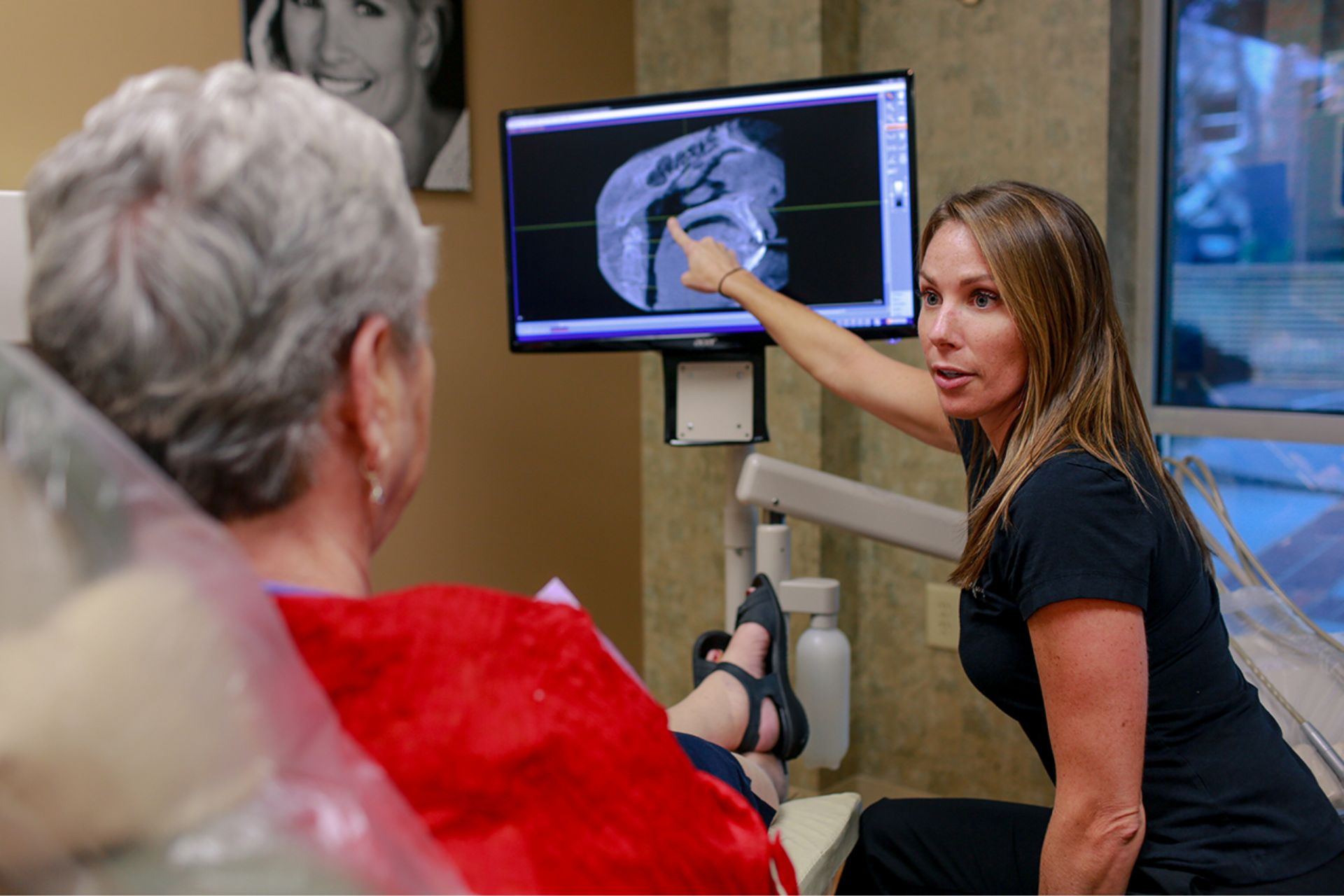
Gum disease is one of the most common — and most overlooked — health problems in the country. It’s also the leading cause of tooth loss in adults. The good news: when it’s caught early, it’s very treatable, and often reversible. Here’s what every Casper family should know.
Just how common is gum disease?
More common than most people realize. According to the CDC, 42% of adults aged 30 and older have some form of periodontal (gum) disease, and that number climbs to more than 70% of adults aged 65 and older. Many of them have no idea they have it, because early gum disease rarely causes pain.
The stages of gum disease
Gum disease is progressive — it gets worse if it isn’t treated:
1. Gingivitis (early)
The mildest stage. Plaque bacteria irritate the gums, causing redness, swelling, and bleeding. At this point, the damage is usually reversible with professional cleanings and better home care.
2. Periodontitis (established)
If gingivitis goes untreated, the infection spreads below the gumline and begins to destroy the bone and tissue that hold your teeth in place. Gums may pull away from the teeth, forming pockets that trap more bacteria.
3. Advanced periodontitis
The supporting bone is severely damaged, teeth loosen, and tooth loss becomes likely without treatment.
Warning signs to watch for
See us if you notice any of these:
- Bleeding when you brush or floss
- Red, swollen, or tender gums
- Persistent bad breath or a bad taste
- Receding gums (teeth looking “longer”)
- Loose teeth or a change in how your bite feels
Why gum health matters beyond your mouth
Gum disease doesn’t stay put. Research has linked periodontal disease to broader health concerns including heart disease and diabetes complications. Protecting your gums is part of protecting your whole-body health — one more reason not to ignore the early signs.
How we treat gum disease at Hilltop
Treatment depends on the stage:
- Early (gingivitis): improved cleanings and a tailored home-care routine often reverse it
- Established (periodontitis): a deep cleaning called scaling and root planing removes bacteria and tartar below the gumline
- Ongoing: periodontal maintenance visits keep the disease from coming back
Our team makes every step comfortable, and we’ll coach you on the daily habits that keep your gums healthy between visits. Staying on a regular checkup schedule is the best way to catch gum disease before it ever becomes serious.
Worried about your gums? Book a periodontal evaluation at Hilltop Family Dentistry in Casper — catching it early makes all the difference.
Sources: CDC — Periodontal (Gum) Disease.
Frequently Asked Questions
What are the early signs of gum disease? +
Gums that bleed when you brush or floss, redness or swelling, persistent bad breath, receding gums, and loose teeth. Early gum disease is often painless, which is why regular checkups are so important.
Can gum disease be reversed? +
The earliest stage, gingivitis, can usually be reversed with improved cleanings and home care. Once it advances to periodontitis it can be controlled and managed, but the supporting bone that's lost doesn't grow back — so early treatment matters.
Is gum disease linked to other health problems? +
Research has linked periodontal disease to conditions including heart disease and diabetes complications. Caring for your gums is part of caring for your overall health.
How is gum disease treated? +
Early cases respond to better cleanings and home care. More advanced cases are treated with a deep cleaning called scaling and root planing, followed by periodontal maintenance visits to keep it from returning.